Losing Your Balance: Are You Suffering from Burnout?

Get Energised with Energym!

Holistic Healing: 5 Alternative Treatments for Depression

What is Burnout?
Burnout is a state of emotional, mental, and physical exhaustion. It is brought about by excessive, prolonged (chronic) stress which causes you to feel overwhelmed and unable to meet constant demands around you.
For many, burnout is a result of a gradual neglect of your own needs and a build-up of stress over a long period of time. It may come about due to increased workload or pressure at work, lack of sleep, a sense of being rushed and ‘never having enough time’, general overwhelm at the amount of things that need to be done and a strong fear of failure or disappointing others.
Symptoms
• Chronic Fatigue: feeling physically, mentally and emotionally exhausted
• Lack of enthusiasm or motivation (it feels harder to get up and get going)
• Pessimism, cynicism and negativity are more prevalent than usual (you may also feel more easily irritable)
• Angry outbursts (often linked to increased irritability)
• Find it harder to concentrate or pay attention (decision-making and memory can also be affected)
• Interpersonal problems: either in the form of increased conflict or withdrawal from those you are normally close to
• Unhealthy coping strategies: eating badly (junk or ‘comfort’ food), drinking or smoking, being overly-sedentary, not sleeping enough etc.
• General sense of decreased satisfaction and happiness
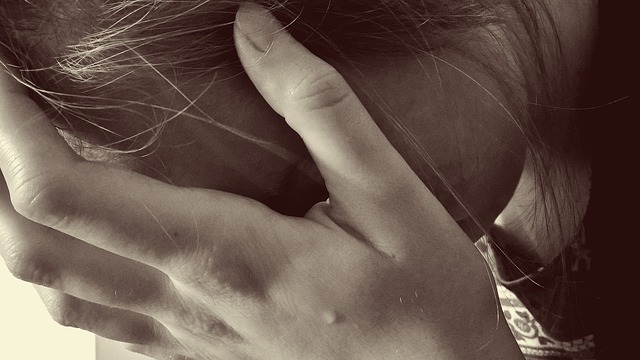
If untreated, burnout can lead to full-blown depression. Burnout can also result in physical problems such as heart issues, high-blood pressure, headaches and tinnitus. Burnout and the symptoms that arise from it are your body’s way of telling you that you need to slow down and start taking care of yourself. Don’t ignore these signs – do something before your health is pushed to the brink.
Treating Adrenal Burnout
Recovery from burnout takes time and a commitment to putting yourself first. This is not easy, because people who are burn-out tend not to be very good at being selfish.
- Get at least 8 hours of sleep a night so that you can properly heal.
- Brain Gym: there are certain activities that can help boost your self-esteem, concentration, energy levels and bring back harmony & balance to your body and mind.
- Diet: eat regularly and eat food that will sustain you. Cut out fast-food, processed foods, alcohol and caffeine, and if possible eliminate wheat and sugar entirely. You may feel a little worse for wear at first, but once your body has ‘reset’ you will be feel better than you ever have before!
- Supplements: Vitamin B12, Zinc & Magnesium and Kelp will all help your adrenal glands recover and help keep your stress-levels under control.
- Kinesiology: going for a balance is a great way to begin the healing process. Kinesiology is a gentle way to help you establish exactly what your body needs going forward. A balance can help you discover the root causes of your burnout, and by addressing these, you can eradicate the problem altogether.