Being Born Caesarean: Possible Physical & Psycho-social Effects

10 Types of Emotional Manipulators: Part 1

5 Simple Brain Exercises to Help with ADD/HD

It is important to bear in mind that there is no ‘right’ way to give birth; there is only the ‘right’ way for you as an individual. Every mother-to-be needs to weigh the pros and cons of having a C-section versus natural birth and come to the decision that is the best for her and the baby.
The Potential Physical Effects
There are two types of C-sections: elective and emergency. Elective C-sections are usually scheduled about 2 weeks prior to the due date, whereas emergency C-sections happen after the mother has already gone into labour. It is generally held that it is better for the baby to have experienced part of the natural labour process, as the contractions themselves help to clear the baby’s lungs of fluid. For this reason, babies born electively may experience breathing problems. This risk is higher if they are born premature, and as elective C-sections are scheduled prior to the due date, this tends to be prevalent in Caesarean babies.
Contractions experienced when going into labour help to trigger the release of oxytocin, which plays a big role in shaping maternal attachment. This hormone is not released in the same way when the mother undergoes an elective C-section and can, therefore, inhibit the initial bonding process. If this is the case, there are a variety of ways in which the mother can promote bonding after the C-section. Skin-to-skin contact is an excellent way to connect to your baby, so if possible, arrange to have your baby placed on your chest as soon as possible after the birth. The act of breastfeeding also releases ‘bonding hormones’ and is a beautiful way to enhance attachment.
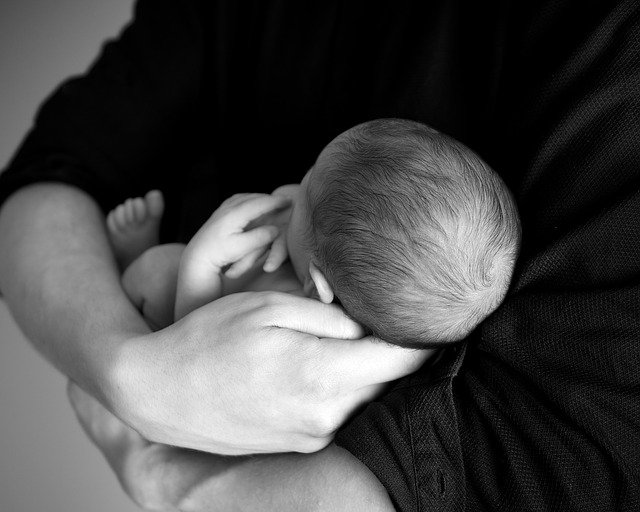
The Potential Psychosocial Effects
Although research is still being developed, there is growing evidence for the connection between the birth experience and infant, child and adult behaviour.
Some are of the belief that the bonding between mother and baby is inhibited by the C-section, due to the fact that the baby is separated from the mother so she can receive post-op care. Alternative therapists and psychologists have even hypothesized that babies born either electively or by emergency C-section experience a greater form of trauma, and believe that this can leave an emotional scar. The emergency C-section is considered particularly traumatic for both mother and child, and this has said to leave the baby bearing certain traits common to Caesareans.
Some research has uncovered three main behavioural themes in Caesarean adults: difficulty being interrupted, a strong need to achieve (rooted in a sense of needing to compensate) and a pattern of offering help even when it is not required or requested. Other characteristics identified to appear later in life are a tendency to seek out physical contact, a need to be ‘rescued’ and sensitivity around issues of abandonment and separation.
It is important to remember that every birth process is completely unique and the purpose, however it is achieved, is to bring a precious new life into this world.